
What was the most memorable design at the recently concluded Tokyo Olympics?
The Tokyo 2020 Olympic Games, postponed by one year due to the COVID-19 pandemic, concluded on the evening of August 8 after 17 days of competition. At these Games, Chinese athletes overcame difficulties and achieved outstanding results, ultimately winning 38 gold, 32 silver, and 18 bronze medals—tying China’s record for the most gold medals won at an Olympics held outside its home country. At the closing ceremony, these heroes made a triumphant appearance, celebrated by the entire nation.

Beyond the athletic brilliance displayed at the Tokyo Summer Olympics, what was the most unforgettable design? The answer is undoubtedly the strikingly modern New National Stadium of Japan.
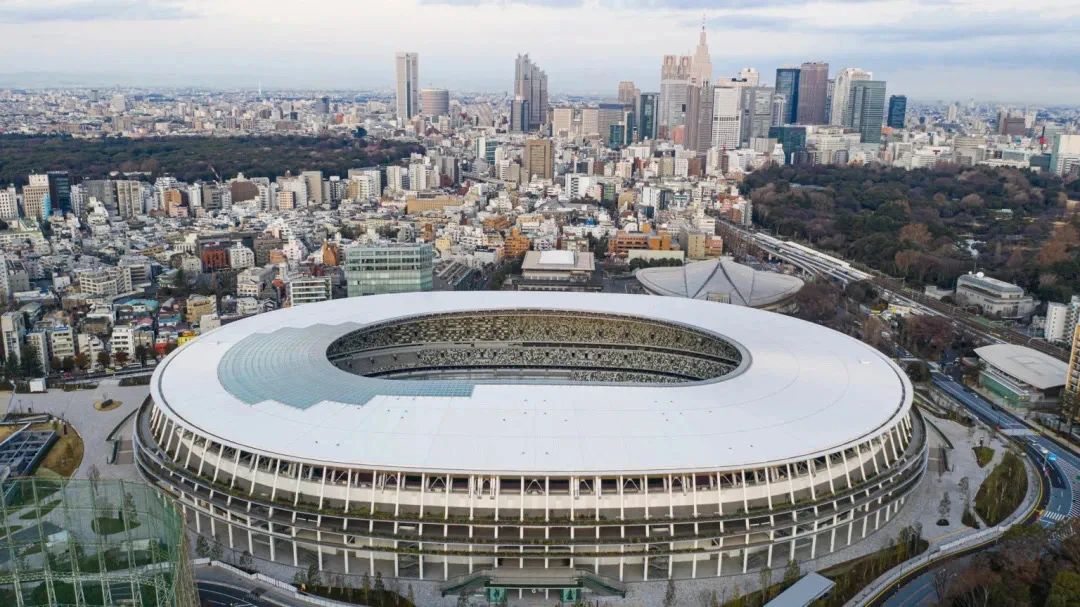
Its designer is none other than Kengo Kuma—the renowned architect who also created the new brand identity for Baidesheng. This stadium can accommodate 68000people, it is one of the few venues specifically built for Olympic events. It was officially completed in 2019 and hosted track and field, football, as well as the opening and closing ceremonies of this Olympic Games.
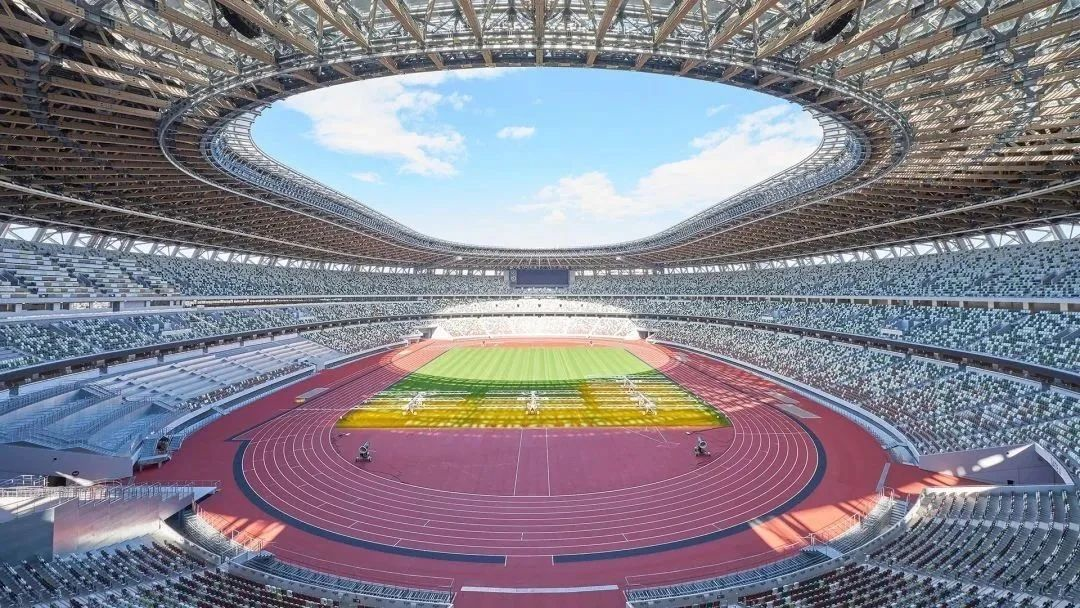
- Unique Dome Design
The most notable feature of the main Olympic stadium is its white canopy. Although it appears to have a missing section, this intentional gap allows more natural sunlight to reach the pitch below, offering spectators the immersive experience of being surrounded by a natural forest. What seems imperfect is actually a thoughtful design choice reflecting the architect’s deep consideration.
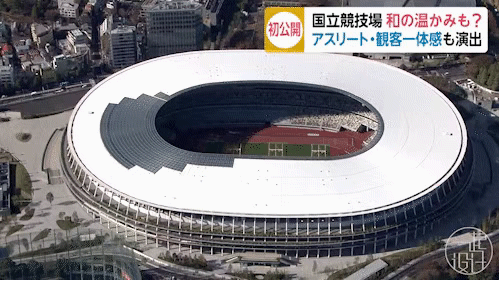 Stricter Material Selection
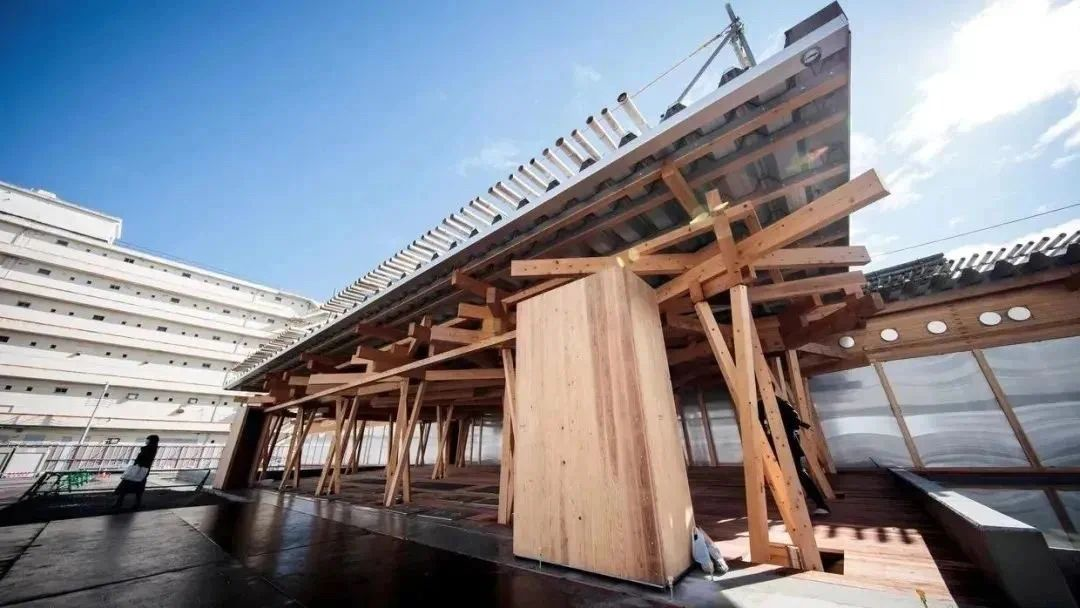
To emphasize harmony with nature, the main Olympic stadium extensively uses natural materials. Green plants are embedded into the interior wooden structures. Architect Kengo Kuma is renowned for his masterful use of wood and bamboo in construction. The stadium’s façade features four overlapping layers of wooden eaves, while its interior is adorned with finely polished wooden panels. The result is grand yet uncluttered.
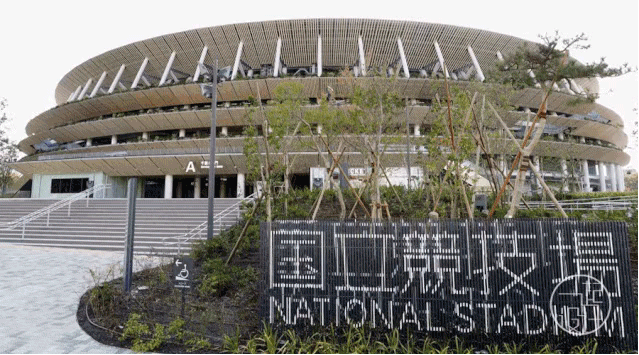
Rows of sturdy, natural timber beams intersect to form typical Japanese-style ceilings and columns, showcasing international architect Kengo Kuma’s profound mastery of architectural aesthetics.
- Symbolism and Spatial Aesthetics
In 2019, Kengo Kuma personally designed the Baidesheng logo, reinterpreting the aesthetics of symbols and spatial design.. This marked Kengo Kuma’s first time designing a logo for a Chinese company.LOGO.Domesticcustomizationbrands and collaborations with internationally renowned architects have drawn significant attention from the industry.

As a world-class architect, Kengo Kuma places great emphasis on people and human experience. Similarly, as a custom home furnishing company, Paterson also prioritizes people and their lived experiences. Avoiding ostentation or subservience, both stay true to life’s original intentions—returning to everyday living from both architectural and individual perspectives. This philosophy centers human life rather than architecture itself, forming Kuma’s “emotional principle” when designing residential projects.
- Aligned Environmental Philosophy


Kengo Kuma believes: The best architecture disappears into nature, and the disappearance of a building’s presence is precisely a respect for human beings. The same applies to well-designed custom home furnishings—they subtly enrich life in tranquility. The overall logo design follows this philosophy and fully embodies Better Home's corporate pursuit.