
Paterson's Water-Based Paint Solid Wood Custom Cabinets Upgraded for Greater Eco-Friendliness and Aesthetics
With the continuous advancement of national environmental policies and growing consumer awareness of health and eco-friendliness—further accelerated by China’s “carbon peak and carbon neutrality” strategy—home environmental standards have reached new heights. As a leading brand in eco-friendly custom home solutions, Paterson has responded proactively by launching upgraded water-based paint solid wood custom cabinets. These utilize two-component waterborne coatings that balance both environmental safety and performance, creating a distinct product advantage.
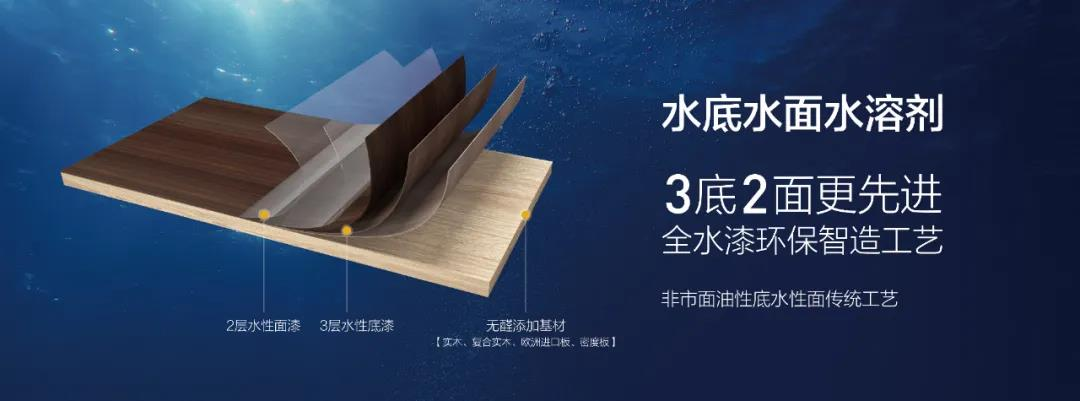
Single-Component Waterborne Coating VS Two-Component Waterborne Coating
Waterborne coatings use water as their primary solvent, making them environmentally friendly, energy-efficient, and non-polluting. They represent the future direction of coating technology and are gradually replacing solvent-based paints. Featuring advanced formulations and scientifically designed systems, waterborne coatings align with global green coating trends and are widely embraced across industries—especially in residential interior decoration.
Waterborne coatings are categorized into single-component and two-component types. Single-component waterborne coatings require strict temperature and humidity control during application. Their film formation is slow, resulting in less dense cured films with lower hardness and chemical resistance, compromising overall quality. For instance, they struggle to perform well on flat surfaces like tabletops or flooring and cannot effectively seal oils in high-resin woods such as pine.
In contrast, two-component waterborne coatings offer superior water resistance, chemical resistance, heat resistance, and abrasion resistance. Their film hardness can reach 2H—even rivaling traditional PU solvent-based coatings in performance.
Industry experts note that solid wood furniture, due to its unique design and material characteristics, demands higher-performance finishing solutions—making two-component waterborne coatings an ideal choice. However, because waterborne coatings use water as a diluent, they alter the wood’s moisture content during application. Fluctuations in moisture content can cause wood to swell or warp, significantly increasing application difficulty. Additionally, waterborne coatings work best when applied thinly to achieve open-grain or semi-closed effects, requiring extremely precise sanding and finishing—demanding mature, high-level craftsmanship from furniture manufacturers.
Overall, high unit costs, challenges in recycling, and difficulties in achieving mechanical spraying remain three major barriers to the widespread adoption of two-component waterborne coatings. Consequently, although water-based finishes are now common in wood products, most companies still rely primarily on single-component formulations.
Using Two-Component Waterborne Coatings for Greater Eco-Friendliness and Aesthetics
Paterson’s water-based paint solid wood custom cabinets utilize two-component waterborne coatings—one of the best choices for high-quality, eco-friendly wood finishing. Employing a full water-based process with three base coats and two topcoats using waterborne solvents, these cabinets feature three core benefits: odorless finish, skin-friendly texture, and absence of eight heavy metals. They meet ultra-low VOC and zero VOC off-gassing emission standards, ensuring no toxic exposure while delivering a soft, tactile surface—effortlessly creating a healthy, eco-conscious living environment.
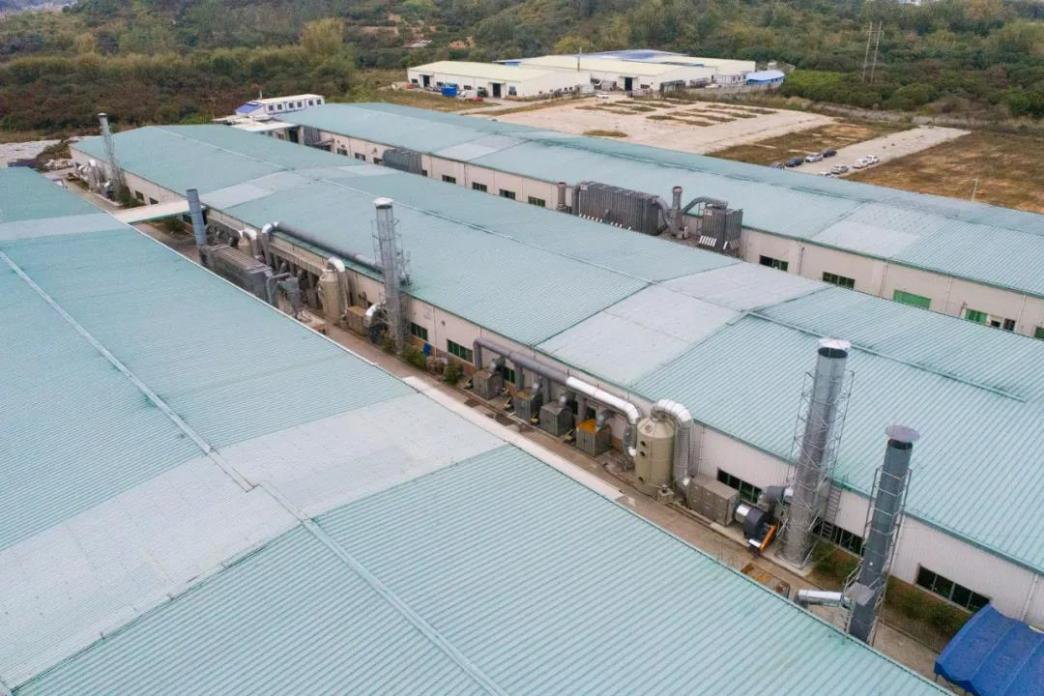
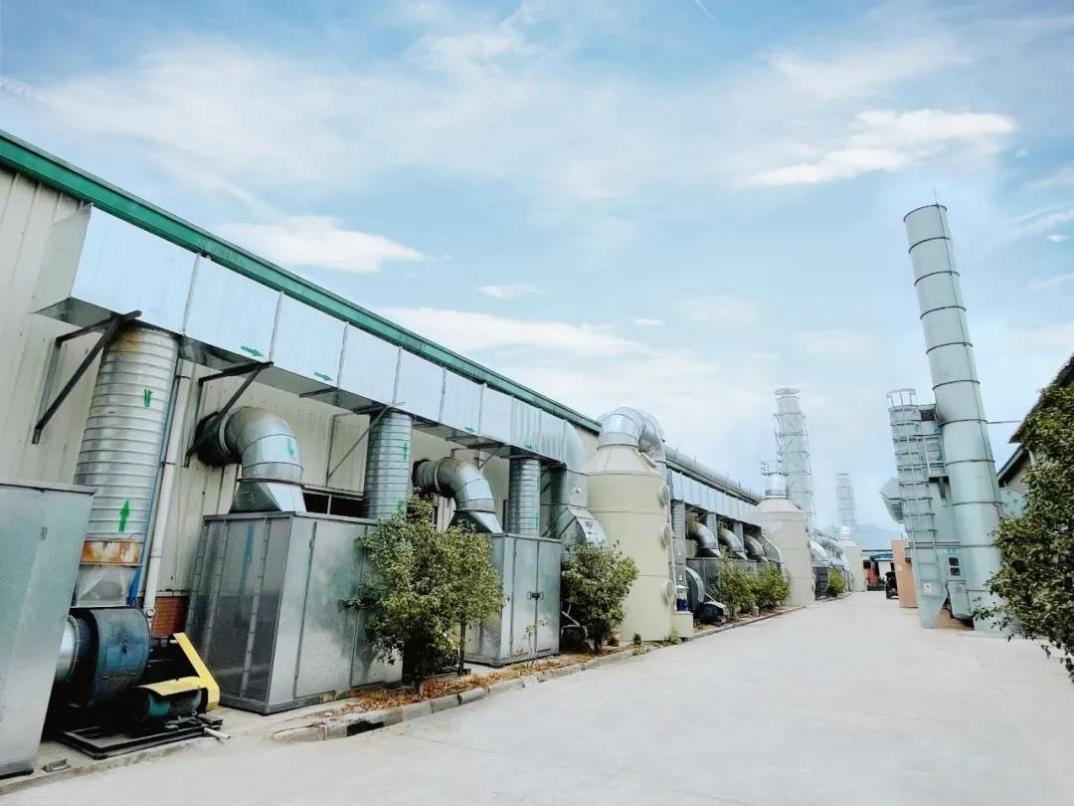
To advance the adoption of two-component waterborne coatings, Paterson has leveraged its 20 years of expertise in healthy, eco-friendly home customization to establish an industry-leading water-based smart manufacturing facility. The factory features integrated environmental systems exceeding national standards—including dedicated wood dust collection rooms, woodworking dust extractors, machine sanding dust extraction units, spray booth dust collectors, and VOC treatment equipment. This enables a full transition from oil-based to water-based finishing on solid wood production lines and supports multi-material customization across all product lines, establishing a green ecological chain to deliver truly sustainable, healthy custom home solutions.
Notably, the hardener used in Paterson’s two-component waterborne coating achieves a rare 100% solids content in the market. Solids content refers to the mass percentage of non-volatile residue remaining after water or solvent evaporation under specified conditions—also known as “non-volatile content.” Generally, higher solids content indicates better material quality, reflecting Paterson’s uncompromising commitment to product excellence.
Aligning with China’s green development era, Paterson’s water-based paint solid wood custom cabinets prioritize eco-materials and quality leadership. By selecting premium two-component waterborne coatings, they fully satisfy consumers’ environmental expectations—delivering homes that harmonize green health, personalization, and aesthetic value. As a pioneering example in water-based coating applications, Paterson is poised to capture significant market potential and set a new benchmark for eco-innovation in the custom home industry.